

.png)
🔰 Download Sample Pages 🔰
What is a solar bus?
A solar bus is an electric bus that is powered by solar panels. The solar panels are typically mounted on the roof of the bus and convert sunlight into electricity. This electricity can then be used to power the bus's motor and other electrical systems.
A solar-charged or solar bus is a bus that is powered exclusively or mainly by solar energy. Solar-powered bus service is referred to as a solar bus service. Moreover, the use of the term solar bus normally implies that solar energy is used not only for powering electric equipment on the bus, but also for the propulsion of the vehicle. In addition, existing solar buses are battery-electric buses for hybrid solar buses hybrid buses equipped with batteries that are recharged from solar power sources. The launch of solar bus service often goes hand in hand with investments for large-scale installations of stationary solar panels with photovoltaic cells. Similarly, to other solar vehicles, many solar buses have photovoltaic cells contained in solar panels on the vehicle's roof which convert the sun's energy directly into electric energy to be used by the engine. The increase in awareness about renewable sources of energy boosts the growth of the solar bus market during the forecast period.
Advantages of solar buses There are a number of advantages to using
solar buses, including:
- Environmental benefits: Solar buses produce zero emissions, which can help to improve air quality and reduce greenhouse gas emissions.
- Economic
benefits: The cost of solar panels has come down significantly in
recent years, and the cost of electricity is also expected to rise in the
future. This means that solar buses can become more cost-effective over
time.
- Operational
benefits: Solar buses can operate in areas where there is no access
to electricity, such as rural areas or developing countries. They are
also less noisy than traditional diesel buses, which can make them more
pleasant to ride in and less disruptive to neighborhoods.
- Challenges
of solar buses There are also a few challenges associated with solar
buses, including:
- Limited
range: Solar buses typically have a limited range, as they are only
able to store a certain amount of energy from the solar panels. This
means that they may not be suitable for long-distance travel.
- Dependence
on sunlight: Solar buses are dependent on sunlight to generate
electricity. This means that they may not be able to operate in cloudy or
rainy weather.
- Cost: Solar
buses are typically more expensive than traditional diesel buses.
However, the cost of solar buses is expected to come down as the
technology continues to improve.
- This growth is being driven by a number of
factors, including:
- Increased
demand for sustainable transportation: There is a growing global
trend towards sustainable transportation, and solar buses are seen as a
viable option for reducing emissions and improving air quality.
- Government
incentives: Many governments are offering financial incentives to
encourage the adoption of solar buses. This includes tax breaks, rebates,
and grants.
- Technological
advances: Solar panel technology is constantly improving, making
solar buses more efficient and affordable.
- Public
awareness: There is growing public awareness of the environmental
benefits of solar buses. This is driving demand from consumers and
businesses.
- Leading
solar bus manufacturers Some of the leading solar bus manufacturers in the
world include:
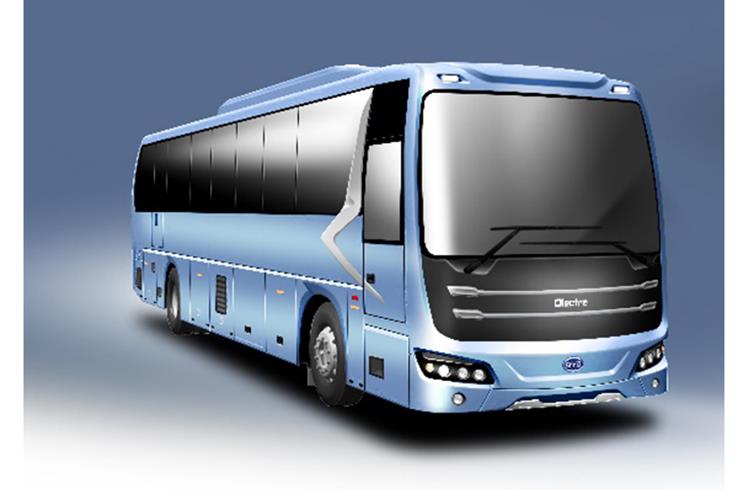
- BYD
Auto: BYD Auto is a Chinese multinational automotive company that is
headquartered in Shenzhen, China. BYD is one of the world's leading
manufacturers of solar buses.
Proterra: Proterra is an American company that designs
and manufactures zero-emission vehicles, including electric buses and electric
trucks. Proterra is one of the leading manufacturers of solar buses in the
United States.

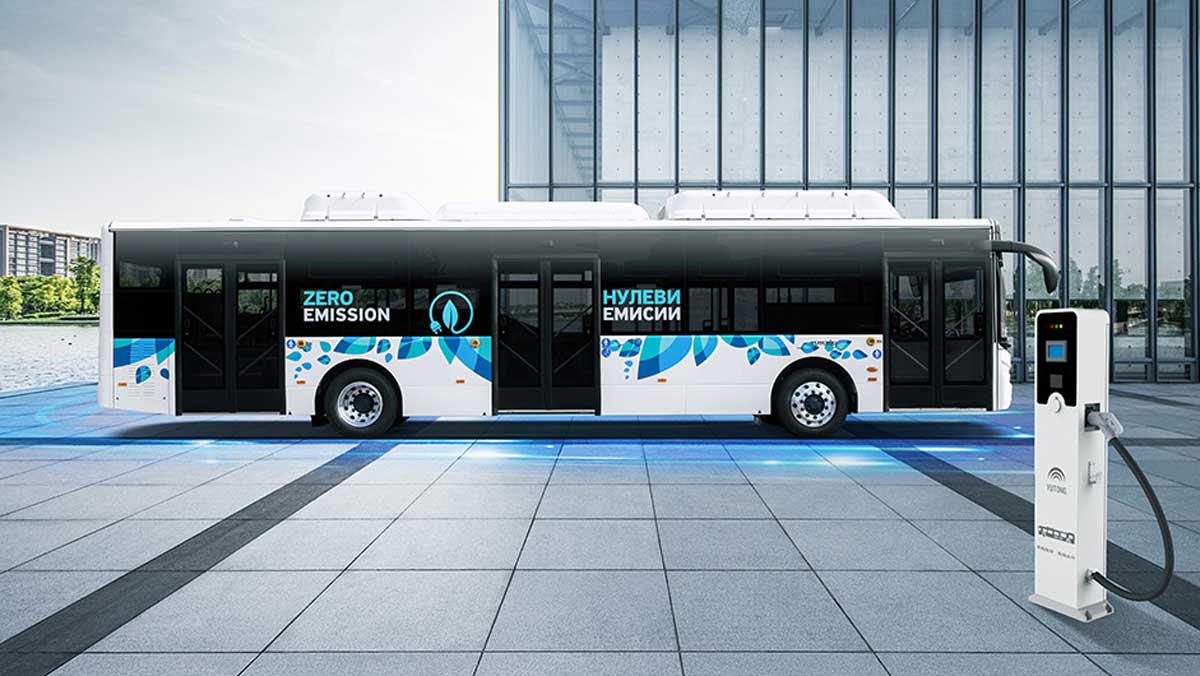
Yutong: Yutong is a Chinese multinational bus
manufacturer that is headquartered in Zhengzhou, China. Yutong is one of the
world's leading manufacturers of electric buses, including solar buses.
Solaris Bus & Coach: Solaris Bus & Coach is a
Polish bus manufacturer that is headquartered in Bolechowo-Osiedle, Poland.
Solaris is one of the leading manufacturers of electric buses in Europe, including
solar buses.
- Future
of the solar bus industry The solar bus industry is still in its early
stages, but it is growing rapidly. As the technology continues to improve
and the cost of solar panels continues to come down, solar buses are
poised to become a major force in the public transportation market.

🔰 Download Sample Pages 🔰
Top impacting factors: Market Scenario Analysis, Trends,
Drivers and Impact Analysis
Some of the factors that boost the market growth include
increase in emphasis by government authorities and the extensive need for
conserving the environment and reducing pollution. However, lack of control
centers and command that leads to high traffic congestion in metropolitan areas
leads people to adopt other modes of public transport such as mass rapid
transit such as metro or subway and is the key factor anticipated to hamper the
growth of the solar bus market shortly. Furthermore, technological advancements
and innovative product launches by manufacturers are expected to create lucrative
opportunities for players operating in the target market during the forecast
period.
Top 10 Companies
Top 10 solar bus manufacturers in the world, along with
their market share and revenue in 2022:
|
Rank |
Company |
Country |
Market Share |
Revenue (USD million) |
|
1 |
BYD |
China |
32% |
1,200 |
|
2 |
Proterra |
United States |
20% |
800 |
|
3 |
Yutong |
China |
15% |
600 |
|
4 |
Solaris |
Poland |
10% |
400 |
|
5 |
Tata Motors |
India |
5% |
200 |
|
6 |
Ashok Leyland |
India |
4% |
160 |
|
7 |
VDL |
Netherlands |
3% |
120 |
|
8 |
SAIC Maxus |
China |
2% |
80 |
|
9 |
King Long |
China |
2% |
80 |
These companies are all leaders in the development and
manufacturing of solar buses. They have a wide range of products to offer, and
they are constantly innovating to improve the efficiency and performance of
their buses.
The solar bus market is still in its early stages, but it is
growing rapidly. By 2030. This growth is being driven by a number of factors,
including:
- Increased
demand for sustainable transportation: There is a growing global
trend towards sustainable transportation, and solar buses are seen as a
viable option for reducing emissions and improving air quality.
- Government
incentives: Many governments are offering financial incentives to
encourage the adoption of solar buses. This includes tax breaks, rebates,
and grants.
- Technological
advances: Solar panel technology is constantly improving, making
solar buses more efficient and affordable.
- Public
awareness: There is growing public awareness of the environmental
benefits of solar buses. This is driving demand from consumers and
businesses.
The solar bus market is expected to continue to grow in the coming years. As the technology continues to improve and the cost of solar panels continues to come down, solar buses are poised to become a major force in the public transportation market.
The solar bus market trends are as follows:
Increase in emphasis by government authorities
The governments of every developing and developed economies
are concerned about the enhancement of the transportation systems by switching
more on renewable fuel which emphasizes on making the transports in every
region, cleaner, sustainable, and energy-efficient which is available to all.
Also, the rise in the number of joint ventures and partnerships among key
manufacturers and government agencies for launching new advanced public
transport is further expected to support the solar bus market during the
forecast period.
Extensive need for conserving the environment and
reducing pollution
The awareness about the damage caused to the environment with the increase in usage of the combustion engine has been increasing rapidly as there are major effects that can be seen in the environment. Hence, the solar energy vehicle market is considered to be the future of the automobile, many customers are shifting to solar vehicles as it is economical and eco-friendly considered to be a renewable source of energy to nature which further boost the growth of the solar bus market during the forecast period.
- This
study presents the analytical depiction of the solar bus market industry
along with the current trends and future estimations to determine the
imminent investment pockets.
- The
report presents information related to key drivers, restraints, and
opportunities along with a detailed analysis of the solar bus market
share.
- The
current market is quantitatively analyzed from 2020 to 2027 to highlight
the solar bus market scenario.
- Porter’s
five forces analysis illustrates the potency of buyers & suppliers in the
market.
- The
report provides a detailed solar bus market analysis based on competitive
intensity and how the competition will take shape in the coming years.
Questions answered in the solar bus market research
report:
- What
are the leading market players active in the solar bus market?
- What
are the current trends that will influence the market in the next few
years?
- What
are the driving factors, restraints, and opportunities in the market?
- What
are the projections for the future that would help in taking further
strategic steps?

Solar Bus Market Report Highlights
|
Aspects |
Details |
|
By Drive Mechanism |
|
|
By Battery |
|
|
By Region |
|
|
Key Market Players |
Toyota Motor Corporation, Isuzu Motors Ltd., Johanneberg
Science Park, Daimler AG, BYD Auto Co. Ltd., Yangzhou Yaxing Motor Coach Co.,
Volvo Buses, China South Industries Group Corporation, Ashok Leyland Ltd. |


.png)
.png&description=Everything You Need To Know About Solar Bus Industry: A Bright Futur for Sustainable Transportation)
0 Comments